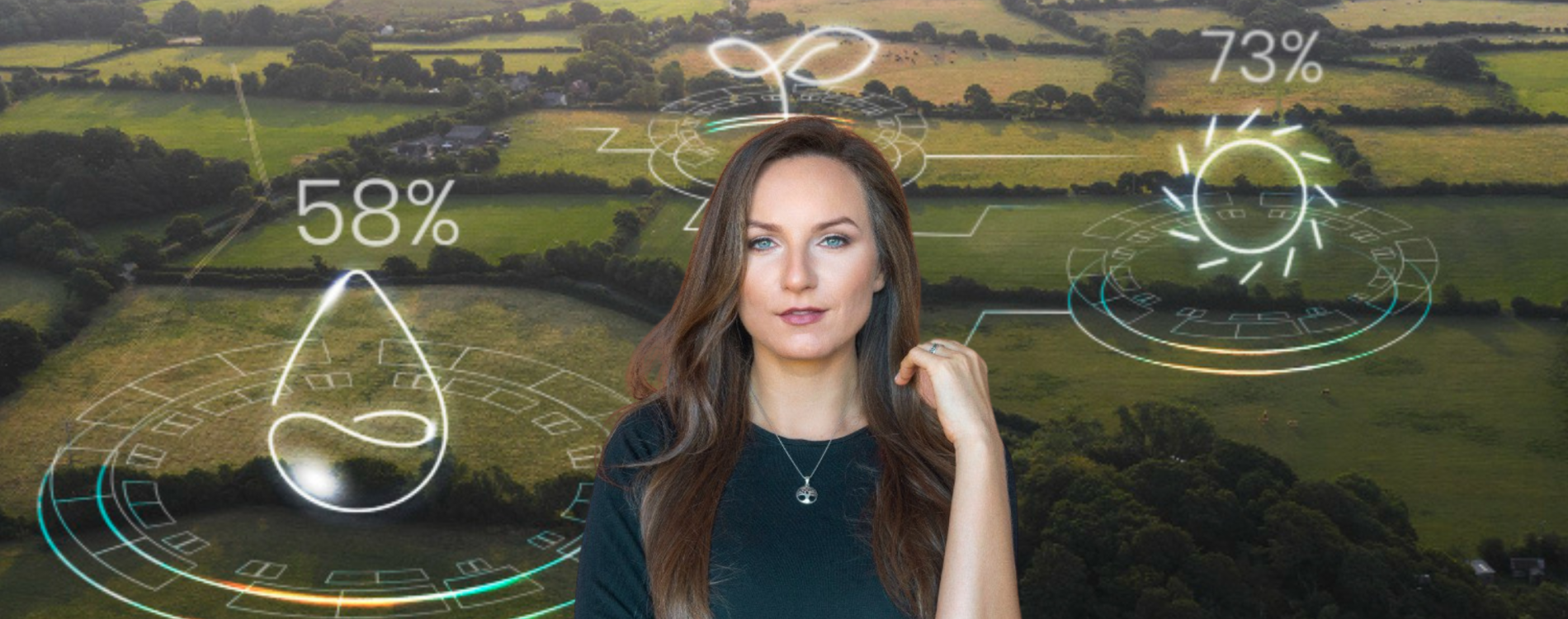

Thea Gherdan has been in agriculture since 2016, starting her journey in agrochemicals with a multinational company. This experience provided her with a solid foundation in understanding the agricultural value chain, covering everything from the active ingredients in soil to the intricacies of sales, marketing, and fieldwork. The knowledge she gained during these formative years has been instrumental in shaping her vision for sustainable agriculture.
Now, as a co-founder of Proon-Tech together with Alin Stefan, Thea is working on innovative solutions in reforestation and biodiversity restoration. Her focus is on developing robotic technology for conservation, emergency response, and disaster recovery, all while promoting sustainable practices in agriculture.
“Recently, I joined forces with a high school friend who specializes in engineering and bioprinting. Together, we’re working on autonomous robotic solutions to create seed pods designed to boost soil health, improve root systems, and support faster germination. This method raises success rates and uses drones and bioprinting for efficient reforestation and tree management,” Thea explains.
This approach not only addresses immediate agricultural needs but also recognizes the long-term impacts on ecosystems. Thus, from forests to orchards, Proon-Tech focuses on nurturing each stage of growth while identifying the untapped potential for dual-use applications in agriculture and defense.
Bridging agriculture and defence through dual-use technology
One of the key areas where the startup aims to make a significant impact is in dual-use technology. By developing solutions that serve both civilian and defense needs, Proon-Tech seeks to bridge agricultural innovation with advanced security applications, Thea adds. This dual-use approach enhances agricultural practices while providing critical support for national security.
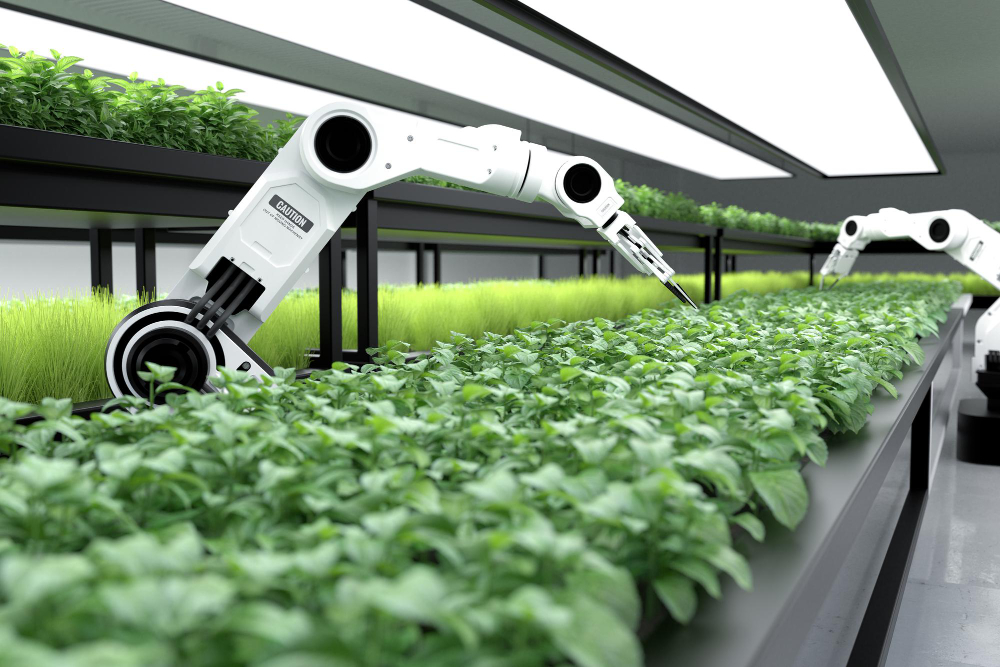
“Through GIS and drone technology, our solutions help farmers monitor crops, map fields, and protect yields. For instance, using AI-driven drones, we’re developing technology to shield farms from aerial intruders that could damage crops. This capability has far-reaching applications, from civilian agriculture to military uses,” she tells IT Logs. The integration of technology into farming not only improves efficiency but also enhances resilience against external threats.
Furthermore, the startup’s wildfire technology, which is part of its agroforestry solution, can predict fire spread and direction to protect vulnerable areas.
“Drawing from military predictive strategies, we’re refining algorithms to help plan and protect agroforestry landscapes,” Thea says. This proactive approach to wildfire management highlights the significant role that predictive analytics can play in both agriculture and environmental conservation.
Inspiring the next generation of agritech innovators through STEM
In 2023, Gherdan launched an initiative dedicated to empowering women and youth in Agriculture STEM. The program aims to inspire and support contributions to agri-tech through a podcast featuring guests and experts who share insights into the transformative role of innovation.
“For example, NASA’s Harvest program, which explores plant growth in space, shows how interconnected space and agriculture can be. My journey has shown me the vast potential for agri-tech, especially when we empower local talent and entrepreneurs,” she explains.
Gherdan’s initiative connects students with drone companies and provides support for women founders, fostering ecosystems that drive innovation and resilience in agriculture.
She emphasizes the importance of creating an inclusive environment where diverse voices can contribute to the future of agritech. “Farmers today are more open to technology than ever, investing in startups, embracing white-label tech solutions, and experimenting with new innovations. With the right support, I believe agritech is poised to redefine agriculture, making it smarter, more sustainable, and increasingly tech-driven.” Thea notes.
Thus, the convergence of technology and agriculture is not just a trend; it’s a necessary evolution to meet the challenges posed by climate change and food security.
Collaboration and innovation in agriculture
Gherdan also recognizes the vital role of collaboration in driving change within the agricultural sector. By working with engineers, technologists, and policymakers, she aims to create a holistic approach to agricultural innovation. “We can’t operate in silos; agriculture, technology, and sustainability must go hand in hand. Only through collaboration can we unlock the full potential of agri-tech,” Thea asserts.
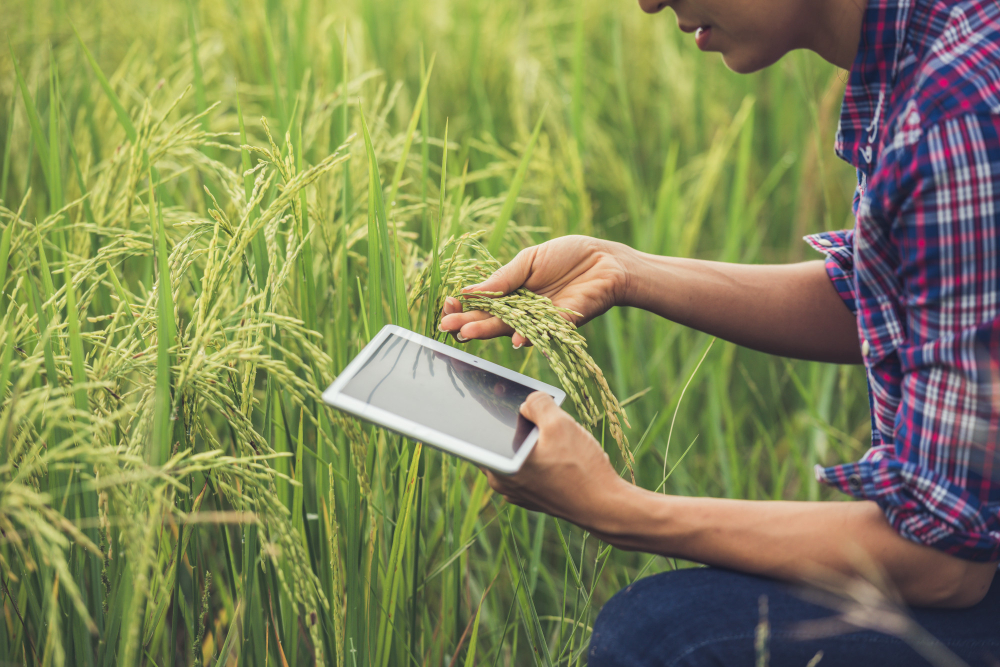
The young Romanian entrepreneur also ctively engages with local communities, encouraging the next generation of agricultural leaders to explore STEM fields and contribute to sustainable practices. “It’s about building a legacy for future generations, ensuring they have the tools and resources to thrive in an increasingly complex world,” Thea emphasizes.
Through initiatives like her podcast and educational programs, she also seeks to inspire others to join the movement towards sustainable agriculture, as well as to spark interest and drive participation in agritech.