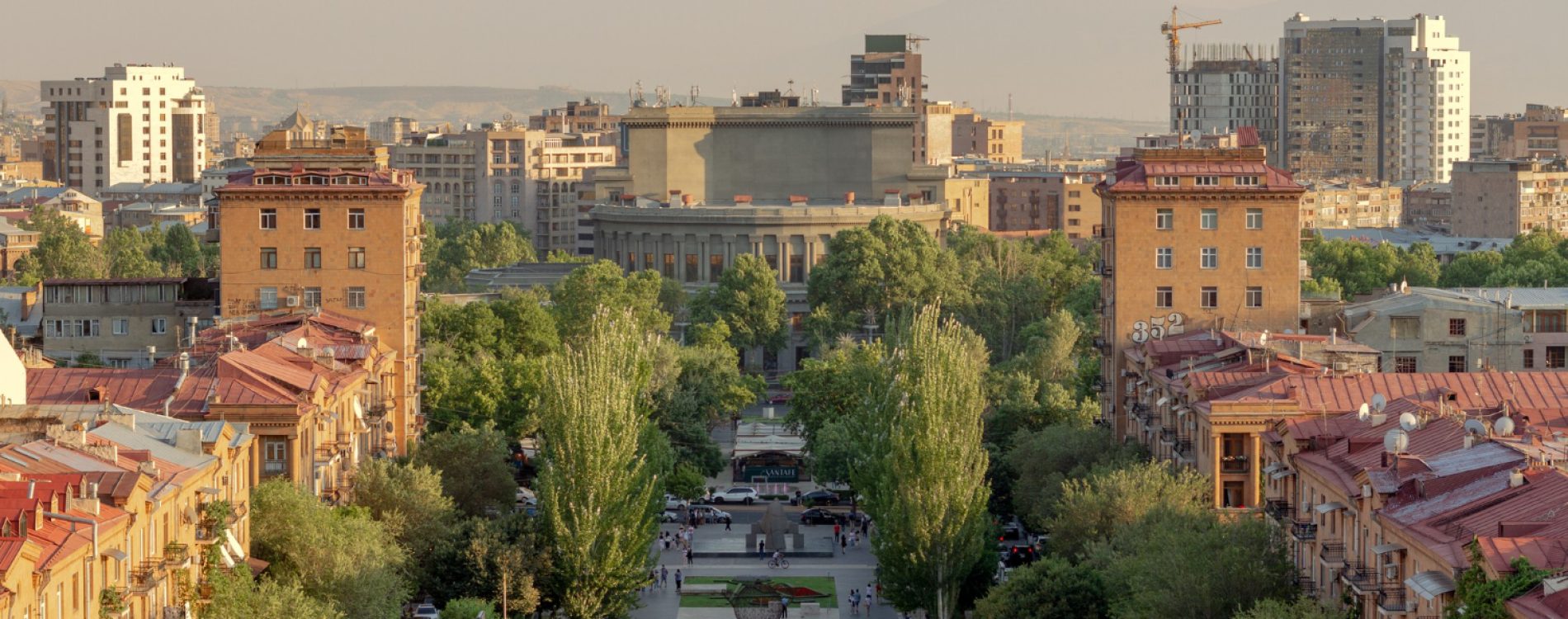

Over the past decade, the small Caucasus nation of Armenia has quietly retooled its future. With strong foundations in science and engineering education, steady backing from the diaspora, and a rising venture capital scene, the country is no longer just a “fringe” tech story.
The last few years saw Armenia’s startup ecosystem grow at a remarkable pace, despite significant geopolitical challenges as a landlocked nation with limited regional access. Employment in the IT sector has surged more than 30% year-on-year since 2022, while the number of tech companies has doubled in recent years.
Building a tech hub against the odds
StartupBlink’s 2025 rankings place Armenia 54th globally and the leading startup ecosystem in the Caucasus, while more recent updates show the country ranked 13th in Eastern Europe and climbing steadily.
“Yerevan is now ranked 181st out of 1,400 cities worldwide for tech ecosystem strength, and what’s striking is the pace of progress – Armenia climbs 10 to 15 positions every year, consistently moving forward,” says Yerevan-based editor and communications expert Mathew Zein.
“When you look regionally, the contrast is clear: Georgia, with a bigger economy, sits around 380, far behind, while Abu Dhabi, despite heavy government investment, is just 10 to 15 spots below Armenia. Riyadh lags even further, again despite significant state funding. Technology here isn’t just an industry; it’s seen as the only real path to global integration and economic resilience. What makes Armenia unique is its bottom-up growth model: the ecosystem has largely thrived without government intervention, powered by grassroots efforts from private entrepreneurs. The state steps in only after initiatives have matured, providing frameworks and targeted support rather than leading the charge,” Zein explains.
Armenia’s AI “factory” takes shape
In 2025, Armenia unveiled a landmark $500 million public-private partnership with NVIDIA, AI cloud firm Firebird, and local telecom leader Team Group to build a next-generation supercomputing hub. Slated to launch in 2026, the facility will deploy thousands of NVIDIA Blackwell GPUs and operate on infrastructure scalable to over 100 megawatts of power.
The project is designed not only to serve domestic demand but also to position Armenia as a regional center for AI research, education, and innovation. Backed by government support through land allocation, tax incentives, and regulatory facilitation, the initiative has been described by Prime Minister Nikol Pashinyan as a “Stargate for Armenia” – a defining moment in the country’s push to become a leader in cutting-edge technologies.
DigiTec as Armenia’s flagship conference
Founded in 2005 by the Union of Advanced Technology Enterprises (UATE) and visionary Karen Vardanyan, DigiTec has become Armenia’s largest annual tech event. The 2025 edition is set to draw more than 250 exhibitors from over seven countries, 40,000 visitors, and more than 80 startups in its dedicated “Startup Alley.” Alongside exhibitions, it hosts panels on AI, fintech, education, and sustainability, while also acting as a festival for Armenia’s growing global tech network.
The event’s scale and international reach position Armenia not as a peripheral player, but as a node in global innovation flows. It’s where diaspora founders, local entrepreneurs, investors, and global firms converge to test ideas, seek partnerships, and signal Armenia’s place in the tech world.
Success stories and global connections
Armenia’s ecosystem is not just numbers on a chart – it has produced globally recognized companies. PicsArt became the country’s first unicorn with a valuation above $1 billion and has since acquired DeepCraft. ServiceTitan, another Armenian-founded success story, has expanded globally, while startups like Shadowmatic and YerevaNN have gained recognition in deep learning and AI.
Importantly, the diaspora continues to play a decisive role. Figures like Reddit co-founder Alexis Ohanian have raised Armenia’s profile, while diaspora capital and mentorship provide lifelines for young startups. This has been complemented by a growing local investment landscape — with six venture capital firms now operating, including Granatus Ventures, SmartGate VC, and BigStory VC, many already on their third generation of funds.
“Armenia’s tech ecosystem saw a surge after the war in Ukraine, fueled in part by an influx of Russian talent,” explains investor Cyril Shtabtsovsky.
“Yandex even relocated its international division here, bringing a few hundred employees. The ecosystem’s strength is also deeply rooted in the Armenian diaspora – connections that helped launch companies like ServiceTitan. Today, Armenia hosts around five to six venture capital funds, some already on their third generation of funding. Notable startups like Picsart and Gecko Robotics have reached unicorn status, highlighting the market’s potential. And when it comes to talent, the local workforce is very smart and affordable, making Armenia a uniquely attractive hub for tech growth,” he adds.
The Armenian government has embraced tech as a cornerstone for future development, with measures such as tax incentives, Free Economic Zones, and public-private partnerships like Tech4Armenia aimed at strengthening STEM education. Yet, as Zein notes, Armenia’s growth has been largely bottom-up, driven by entrepreneurs and grassroots initiatives.