
Serbia’s startup ecosystem is entering a new stage of maturity – one driven by both engineering excellence, and a growing ambition to compete globally. At its core lies Belgrade, now the engine of Serbia’s tech transformation and a hub for talent, capital, and innovation.
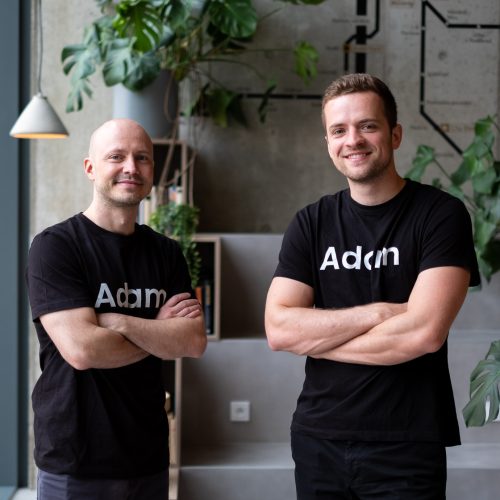
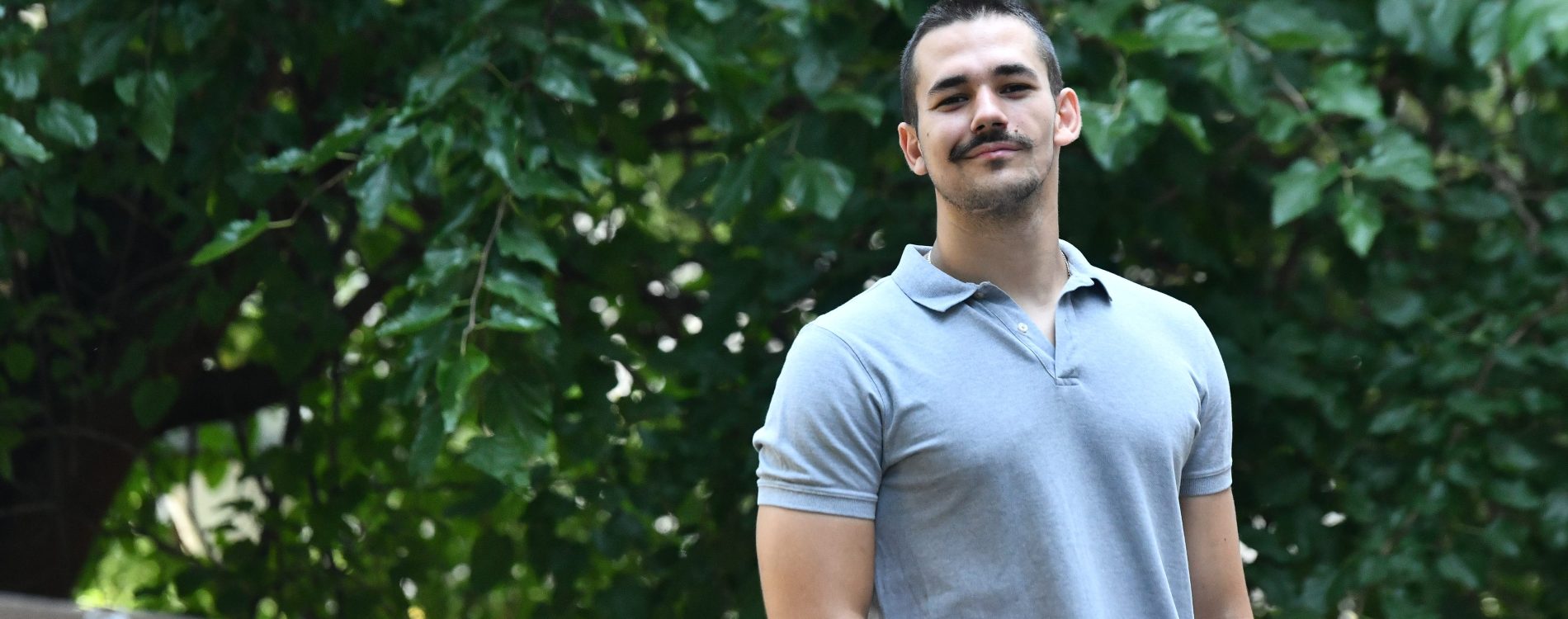
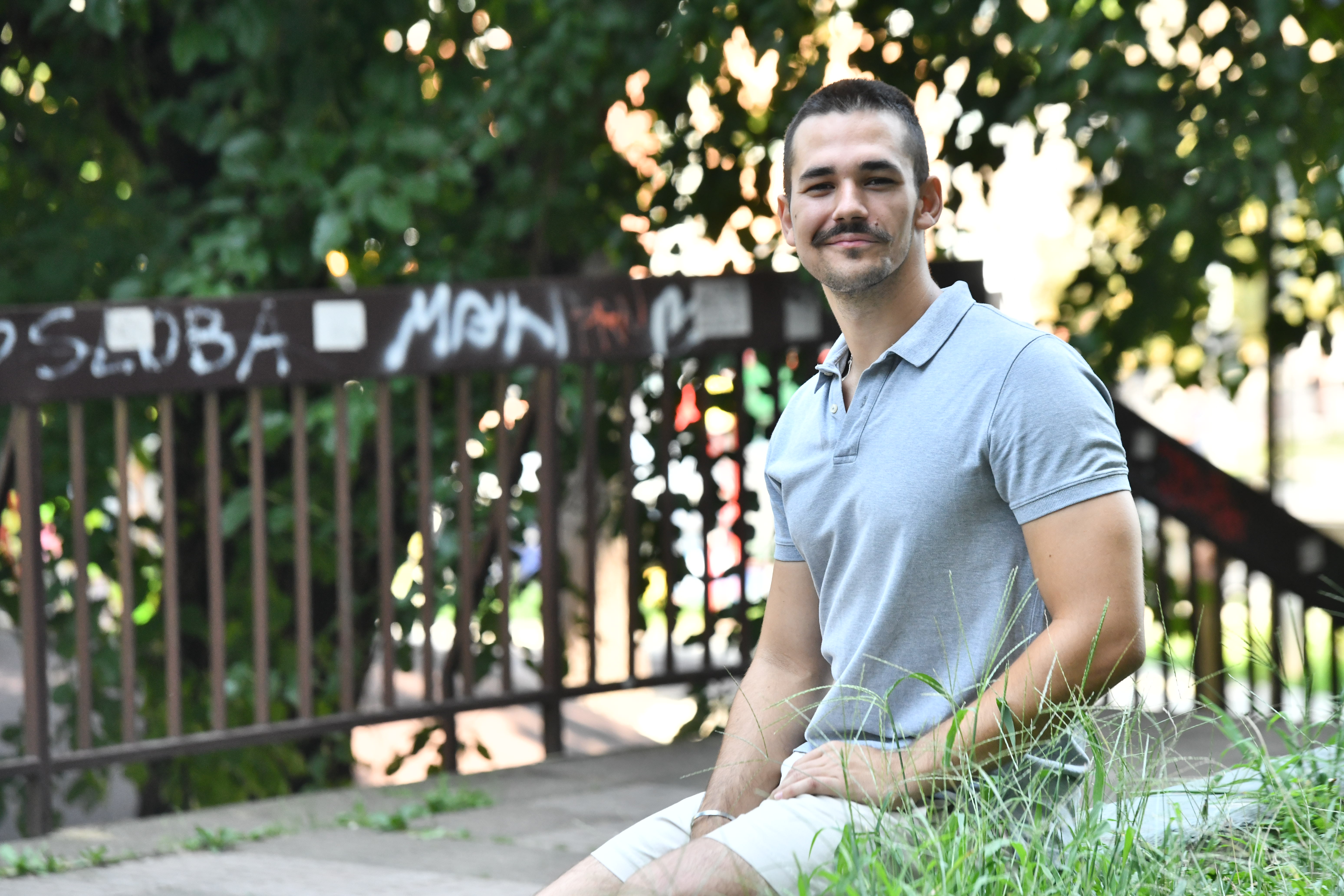
At just 26, Djordje Dimitrijević exemplifies Serbia’s growing pool of engineering talent. As the CEO and co-founder of SignAvatar, he leads the development of AI-powered software that automatically translates speech into sign language. A graduate of the Mathematics High School in Belgrade and the Faculty of Electrical Engineering, Djordje lauds the country’s rigorous STEM education and its ability to produce highly skilled engineers.
“I’d say the education system in Serbia is very strong for engineering. Both my co-founders and I attended the top schools here – first the top 1% mathematical high school, and then the best engineering programs in Belgrade. Most of my co-founders were top of our class, and some are still involved as assistants or mentors. I genuinely believe the system produces a lot of great talent. What we’re missing, though, is more focus on sales and business skills,” he explains.
To address this gap, Djordje moved to San Francisco last year to further develop his skills and gain international exposure. “We now have two headquarters – one in San Francisco and one in Belgrade,” he says. The biggest advantage, he adds, is positioning.
“When serving US clients, being seen as a San Francisco-based startup adds significant credibility compared to being just a startup from the Balkans. Then again, people from the Balkans are usually very strong in engineering, so you also need to leverage that strength as your advantage.”
With a population of close to 6.5 million, Serbia’s startup scene now ranks 14th in Eastern Europe. Most of Serbia’s startups are concentrated in Belgrade, which is home to over 180 startups, representing 75 percent of the country’s total. Regionally, the Serbian capital ranks 17th in Eastern Europe.
Domestically, SignAvatar’s innovation is already making an impact. The startup is participating in the Serbian Innovation Fund’s GovTech program, designed to support government technology initiatives. Its technology has already been applied in their first product called TransportSign, which enables all public announcements made over loudspeakers to be translated into sign language as well as any written language.
“One of the challenges involved working with SrbijaVoz (Serbia Railways) and certain railways to enhance accessibility. Although building the product took time due to its deep-tech nature, we were able to roll out our solution in Serbia quickly. Our main targets remain international, but we’ve developed a new approach to customer engagement, partnered with key distributors, and in the past few months, have gained significant traction with various stakeholders.” Djordje says.
The room for improvement in Serbia is still evident though. “The Balkans generally has a problem with not working enough. I think that might be a leftover from the communist regime here. Another issue is not knowing where to focus in business. I believe the perfect mix combines engineering grit with these additional skills, which we currently have to learn on our own.”
For a growing company based in Belgrade, the best way to move forward is to look at successful examples – and the city has seen plenty of those in recent years. “Companies like Perplexity, Databricks, and Tenstorrent, along with several major Silicon Valley players, are establishing offices here. This influx not only strengthens the local ecosystem but also helps nurture and retain more homegrown talent,” Djorde says.
The missing link
Mladjan Stojanovic, who currently manages the Katapult Accelerator, catering to seed-stage startups, says that the country’s ecosystem has seen significant growth over the past decade. Launched in 2021, the accelerator has already supported 80 startups, helping them secure $30 million in funding and connecting them with a strong network of experienced mentors.
“What makes Serbia attractive is twofold. First, if you aim to build a traditional SME, the environment can support that, which is perfectly fine. But for founders with bigger ambitions and a desire to scale globally, Serbia also offers the chance to focus on international markets. Second, the investment landscape has become richer and more dynamic. Today, there are four or five VC funds and roughly 100 active angel investors consistently writing checks, compared with just one regional VC fund a decade ago.” explains Stojanovic, who has over 20 years of experience across corporate and academic R&D, intellectual property, and startup ecosystem development.
What the startup ecosystem is currently missing, however, is specialized expertise needed for scaling and sustainable growth. As Stojanovic explains, Serbia is hitting a glass ceiling at the Series A stage, with very few startups advancing beyond it. Those that do succeed – such as blockchain development platform Tenderly, which has raised close to $59 million in total funding, become pillars of the ecosystem and serve as proof points that global success is possible.

“This limitation is closely tied to the experience and skills within founding teams and the companies themselves. While there may not be an abundance of investment opportunities, there is a sufficient pool, roughly €50–200 million, for high-quality ventures, and maintaining this availability is vital for continued growth,” he says.
Over the past decade, Belgrade has seen significant transformation, and together with the growing network of co-working spaces and startup hubs, the basic infrastructure is already in place.
“People are well connected, and universities continue to produce skilled engineering talent. At this stage, the focus is on bringing founders together and helping them articulate their ideas clearly, before the ecosystem hits the next bottleneck – likely related to investment and scaling.” he adds.
Then there’s another factor: Serbia’s ongoing accession to the EU, which Stojanovic sees as potentially the single most important boost for its startup ecosystem. Because of the stalled process, building venture capital here faces unique challenges. While EU institutional investors back most VCs across Europe, Serbia’s specific jurisdiction makes it harder to attract the same support.
“Programs like European Investment Fund (EIF), for example, are reluctant to invest in Serbian VCs, and other major institutional investors often hold back as well. The result is that fundraising for local VCs is significantly more difficult than in other EU countries, which in turn creates an imbalance in the value of one euro invested by a Serbian VC compared to a European one.” Stojanovic argues.
Last but not least, the political turmoil and ongoing protests across the country remain the elephant in the room. The unrest began last November, when the concrete canopy of Novi Sad’s main railway station collapsed onto a crowded pavement, killing 16 people. That tragedy set off a wave of demonstrations that continue to reverberate through society and, inevitably, the startup ecosystem.
For Stojanovic, the true impact will only become clear over time. “The real test will be comparing current investment levels with those of two or three years ago to measure just how much the ecosystem has been affected,” he says.
The recipe for success
Investment banker Ben Wong has been living in Belgrade with his family for the past couple of years, drawn more by personal reasons than business, as his wife is of Serbian origin. What has truly captured Wong’s attention, however, is the city’s talent pool, especially since he has already made several investments in Serbian tech startups.
“Belgrade has strong universities producing excellent graduates, especially in engineering. I’m optimistic – if it’s done right, people will want to live and work here. How does a city grow and become more affluent? By attracting talent – and Belgrade is well positioned for that.” he says.
Historically, Serbia, like much of the broader Western Balkans region, has faced a significant brain drain, with talent flowing to the US. and Western Europe. The recipe for growth in Serbia, Wong suggests, also mirrors neighboring Bulgaria’s success with its diaspora.

“This is important because many Serbian founders who went abroad either ran their own businesses or worked for large corporations. Bringing them back doesn’t just bring capital – it brings know-how, experience, and networks in global markets. They can mentor the next generation of founders, encouraging them to think bigger and connect with opportunities beyond the region.”
Wong also notes that it is also crucial for the government to incentivize returnees: they often have families, want their children connected to Serbian heritage, and are ready to invest locally.
“If they can start businesses here, they’ll employ local talent, and that cycle of growth can really accelerate the ecosystem.” What can Serbian founders themselves do better? According to Wong, it’s about thinking bigger and moving faster.
“When I speak with founders, I tell them to aim higher. Some of the companies here have amazing metrics – growing 30 or 40 percent – and if you placed the same product with the same numbers in the US or Australia, they’d get significant funding. But because we’re in Belgrade, there’s a tendency to be more modest. The challenge with tech and startups is that scaling has to happen quickly.” he adds.
Wong’s time in Belgrade also coincides with the period of the ongoing political unrest, which he hopes will eventually settle. Looking back on the past two years, he points out that while challenges remain and views often differ, the city is unmistakably moving forward.
“The political situation clearly needs to stabilize. But looking at Belgrade now at this particular moment, you see a large city with a well-educated population. And when opportunities are available, people are eager to live and build their lives here.” he concludes.
The story is adapted from an original piece published by the author in European Voices.