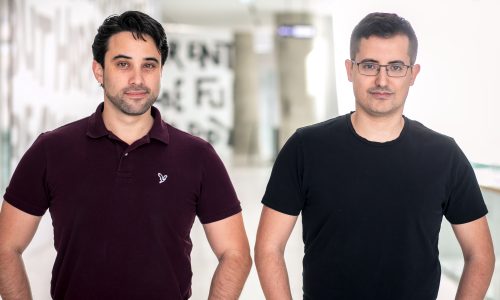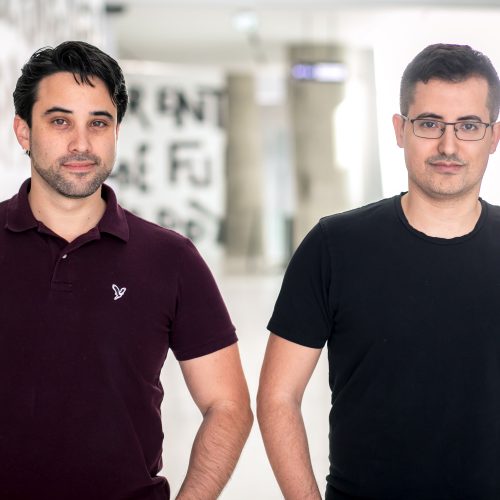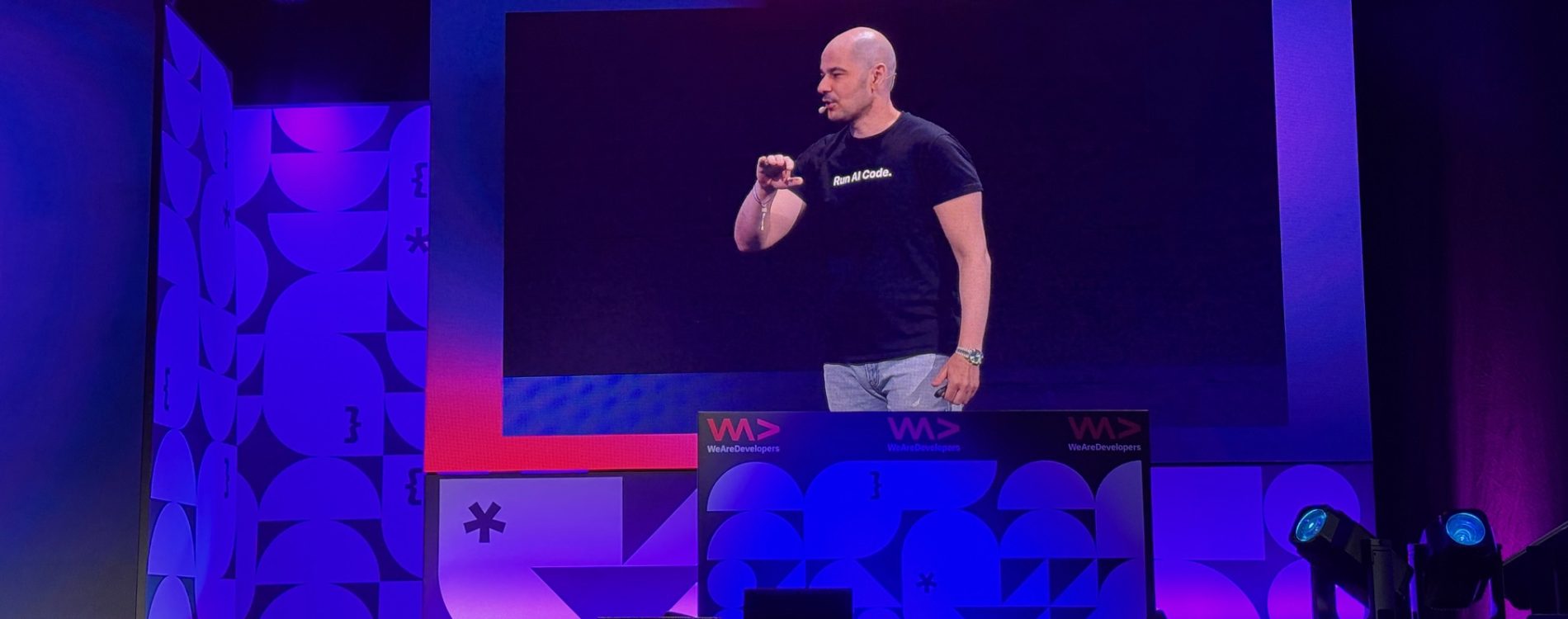

Imagine a world where your software tools no longer care about humans. Where the real users aren’t people clicking buttons or typing commands, but AI agents silently executing tasks on your behalf. According to Croatian entrepreneur Ivan Burazin, that world is already here – and if you’re still designing for humans, you’re designing for the past.
Speaking at the WeAreDevelopers World Congress, Burazin, the co-founder and CEO of Daytona, delivered a provocative keynote arguing that the future of software belongs to AI agents – and the tools we build today are failing to keep up.
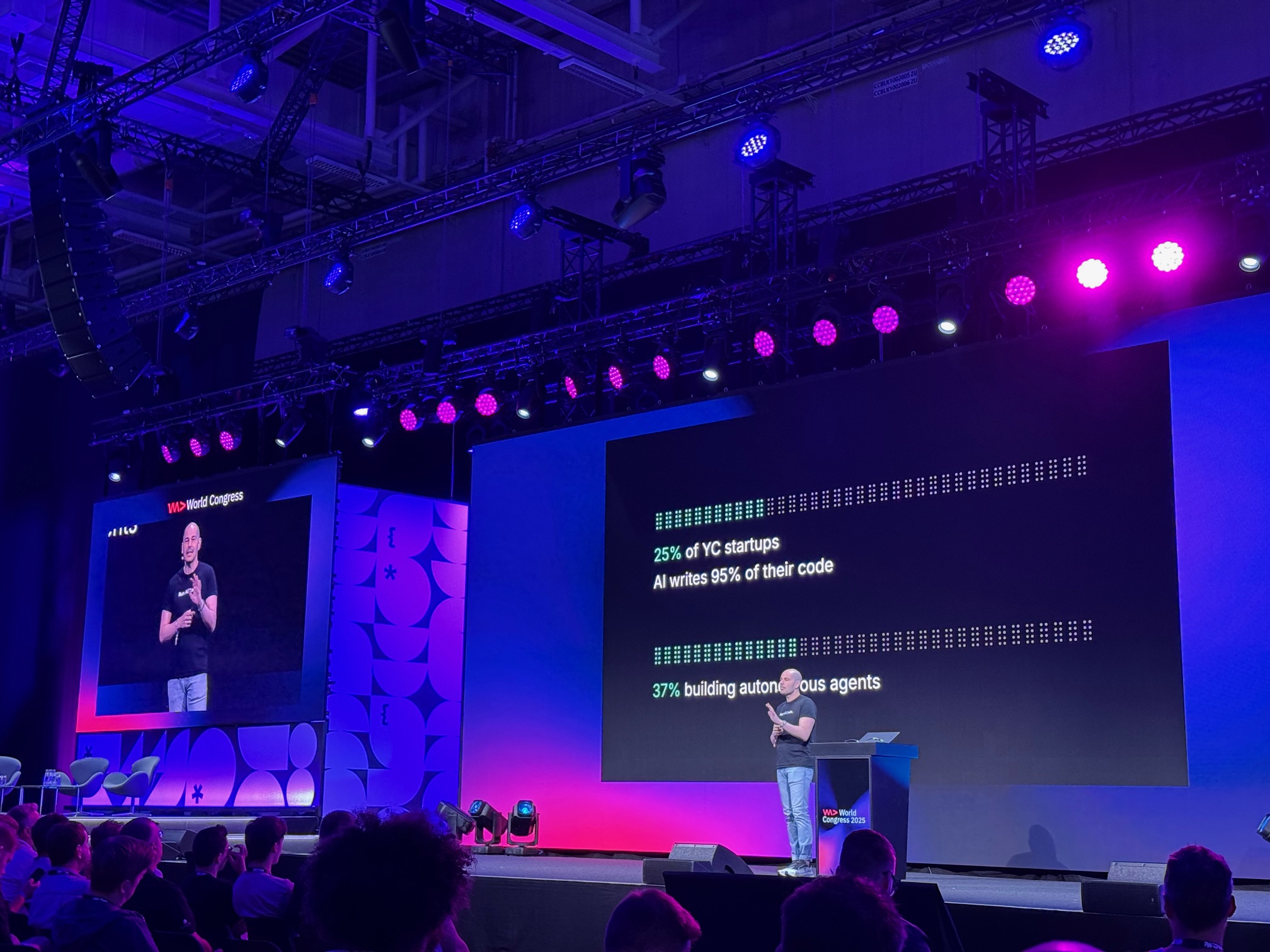
Autonomous agents are rapidly emerging as the new foundation of SaaS products, Burazin pointed out. Sharing fresh data from Y Combinator’s previous startup batch, he noted that while 25% of companies reported AI wrote 95% of their code, the more striking figure was that 37% were building autonomous agents as core offerings.
Agent experience over user experience
“Each of these agents is growing faster and faster and faster. New SaaS startups are no longer deterministic web or mobile applications. They’re actually agents – and they are the new product,” Burazin said.
He warned that “the most uncomfortable truth here is that most tools today break the moment you move a human from the loop.” Burazin added: “If you have an agent that wants to go and do something, they’re usually using human tools right now. If you’re building dev tools or any tools for humans, you essentially are building for the past.”
Burazin outlined that an AI agent integrates three critical elements: a model giving it intelligence, the user it interacts with, and the tooling it uses to achieve tasks. He stressed: “We need to focus on the agent experience, or the agent’s experience. How easily can an agent access what it needs, understand what it needs, and operate inside that environment to achieve the goals you set for it?”
The Croatian entrepreneur credited Netlify’s Matt Billman for coining the term “agent experience”, extending it further to emphasise autonomy at every step. “I added the word ‘autonomously’ because I think that adds emphasis to what we’re trying to achieve. It’s a different scenario if it has to fall back to you as a human to do something, or it can do it all on its own.”
Why agent experience demands API-first design
Burazin also gave practical examples of companies already enabling agent experience, pointing to Arcade.dev as an authentication layer where agents can access services without ever seeing user credentials, Stripe for its agent-readable documentation that renders clean Markdown files without UI clutter, and the broader principle of API-first design.
He emphasized that if an agent finds an API endpoint, it can act immediately, but if it has to log into a dashboard and click buttons, it probably won’t get the job done.
Burazin also shared his own journey from building browser-based IDEs with Codeanywhere in 2009 (before Replit or Codespaces), to leading developer experience at Infobip, and now to founding Daytona. His current company builds agent-native runtimes, which he describes as the digital equivalent of a developer’s laptop but optimised for agents rather than humans.
Daytona’s own journey began as far back as 2009 with Burazin’s project PHPanywhere, which later evolved into Codeanywhere, one of his other ventures. In 2012, he also founded what is now the biggest developer conference in Southeast Europe, Infobip Shift (originally Shift, and then becoming part of Infobip in 2021). More than a decade after the initial concept, Daytona’s stealth work finally came to fruition.
At WeAreDevelopers, Burazin concluded with a challenge to the developers in the room:
“All of us here have made software for people, interacting through visuals, keyboards, and mice. But what if there are no humans around to click any buttons, to hit any keys, to debug errors? If you’re still building tools designed for humans to click buttons and read outputs, you’re not building for the future. The future belongs to agents, and their experience is the only one that will matter.”