
The European Training Foundation (ETF) has announced the five finalists of the 2025 ETF Green Skills Award, which celebrates global initiatives that promote the transition to environmentally sustainable and inclusive societies. These projects demonstrate dedication and creativity in developing green skills while transforming local communities.
Five outstanding initiatives – from Kazakhstan, N. Macedonia, Spain, Tunisia, and Türkiye – have been shortlisted for the ETF Green Skills Award 2025. They were selected from over 250 applications submitted from more than 50 countries. Public voting to determine the winner is now open and will run until 30 June.

Public voting is open until 30 June and will determine the three winners. For the first time, a special award will also be presented in support of the #ForOurPlanet campaign, which will be awarded during the EU Green Week.
Pilvi Torsti, Director of the ETF, commented: “In times of dramatic geopolitical crises, we must not forget that climate change knows no borders. It is critical to invest in green skills and protecting the planet we share. There are no boundaries between the micro and macro levels: each of these five stories shows how local action can help shape a resilient, sustainable future for all.”
The ETF Green Skills Award reflects the European Union’s broader commitment to sustainable development, notably within the framework of the recently launched Union of Skills and the Clean Industrial Deal. These flagship EU initiatives aim to boost Europe’s competitiveness while equipping workers with the skills required for the green and digital transitions. At the heart of this strategy are skills, driving quality employment and industrial innovation that advances both environmental sustainability and social equity.
Finalists of the 2025 ETF Green Skills award
Kazakhstan: Karashayev Dossan, Ondakhanova Ainur, Mangystau Energy College – Preparing a skilled workforce to power the green economy
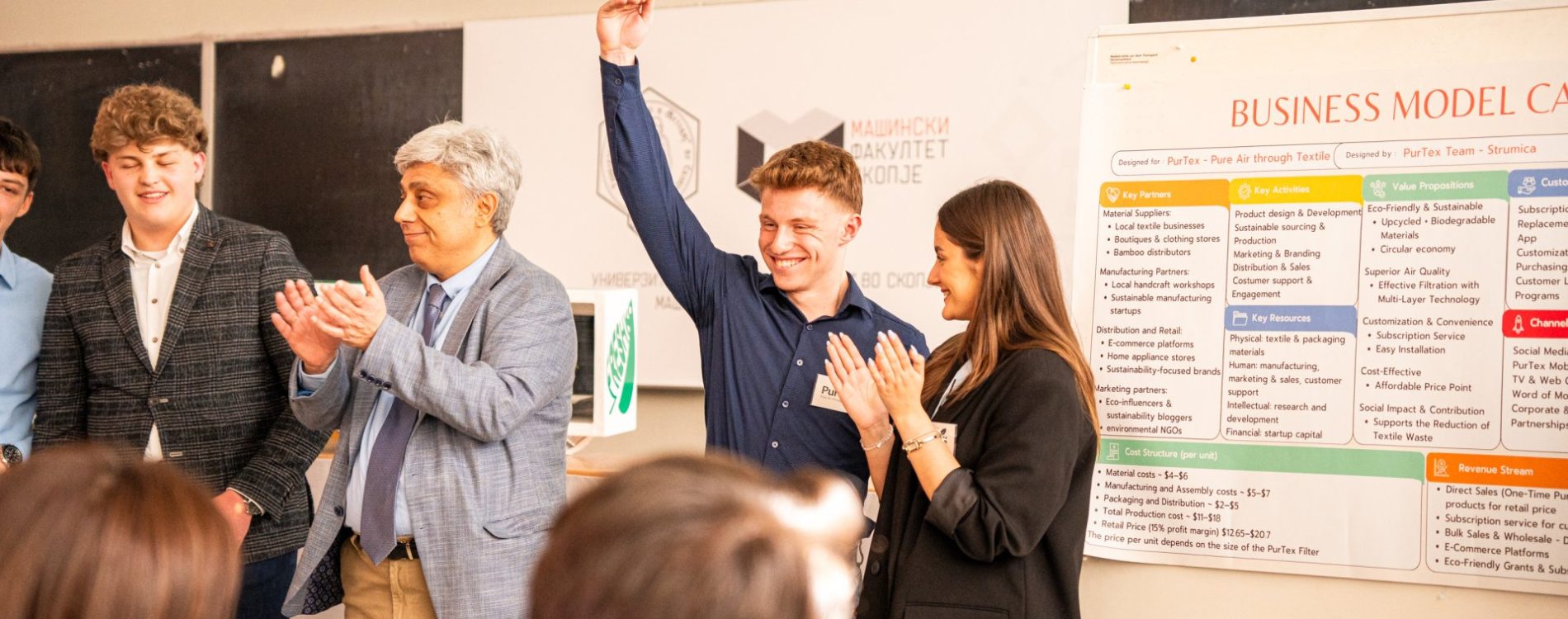
N. Macedonia: Radmil Polenakovikj, Centre of Excellence in Green Innovation – Empowering youth, educators and a greener future
Spain: Pablo Zuloaga Betancourt, Powar Steam – Empowering climate education for a sustainable future
Tunisia: Sendi Ibtissem, CBS Training – Empowering rural women with green skills, entrepreneurship and purpose
Türkiye: Guliz Yaman, Antalya Metropolitan Municipality – Empowering young people through solar energy training

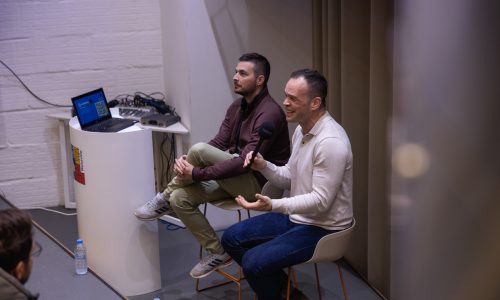
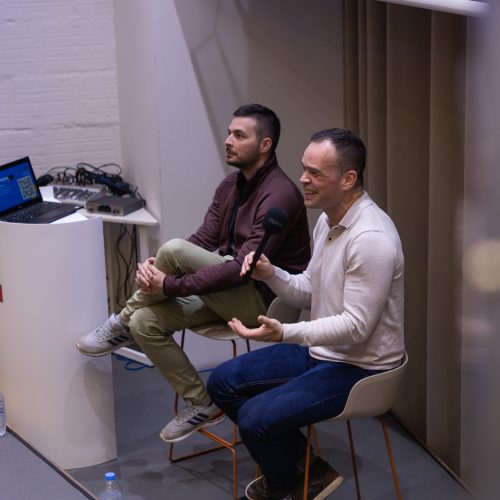
In an interview with IT Logs, Radmil Polenakovikj talks about how the Centre of Excellence in Green Innovation has helped promote environmental education and practical skills among young people in the country.
IT Logs: The Best Business Concept for Green Innovation has involved high school students and teachers across N. Macedonia. What kind of impact has the initiative had so far, both in terms of education and environmental awareness?
Radmil Polenakovikj: Since its launch in 2007, the competition has engaged over 2500 secondary school students and more than 400 teachers nationwide. Each year, more than 100 students and more than 50 teacher-mentors participate, submitting over 35 innovative green business concepts. The continuous interest for the competition, which is an extracurricular activity, is a proof that the concept is right for the participants. We have always supported sustainable ideas, but the green topic has been particularly emphasised 3 years ago. Ever since, we can notice that young generations are not only well-informed, but also key drivers of raising environmental awareness. The concept is structured as such to motivate them to identify environmental challenges and propose solutions that offer both economic and social benefits. Having said that, the competition contributes to skills development, enriches the learning process, and increases national environmental awareness.
Why do you believe it’s important to engage young people–particularly high school students–in developing green business ideas?
RP: Engaging high school students is crucial because they represent the future workforce, consumers, and leaders who will shape sustainable development. Early involvement fosters a proactive mindset, empowering youth to envision and create innovative solutions to environmental challenges, while initiating a sense of individual and collective responsibility.
By working on green business ideas, students also learn about economic opportunities, self-employment, and entrepreneurship. By participating in green entrepreneurship activities, students gain practical skills and confidence, making them more adaptable and employable in a rapidly evolving green economy. The realisation of their business ideas could lead to a stronger economy, while the skills gained in the process prepare them to be educated, future-ready professionals.
Can you share an example or two of student-led solutions that emerged from the programme and impressed you the most?
RP: The ideas generated by students over the years have been impressive, with each cycle presenting deeper research and dedication. While respecting confidentiality, I can highlight that students excel in identifying real-world opportunities and challenges. For example, addressing the challenge of waste management, student teams have provided various solutions from designing smart bins and accompanying apps to figuring ways to recycle and reuse materials for the growth of other businesses. What stands out is their ability to connect real problems with practical solutions. With the right guidance from teachers, the learning process becomes both engaging and motivating. In one school, for example, students designed and produced one functional bench with rain cover with photovoltaics on the top with possibilities to charge mobile phones aside.
This initiative promotes both sustainability and entrepreneurship. How do you see these two areas complementing each other in the context of green skills development?
RP: Both terms are connected with long-term impact. The synergy equips young people with the skills needed to succeed in today’s world. By being able to create a viable business focusing on economic but also on environmental and social value, youth are prepared to become responsible innovators and change-makers.
In addition, to ensure a strong educational system, we consistently emphasize that teachers are the main pillar of education. That is why we always organize at least one day of training with teachers at the beginning of each competition cycle, with the aim of strengthening their capacities.
When we first launched our competition almost 18 years ago, the main focus of our training sessions was entrepreneurial pedagogy. After these sessions, teachers would integrate their newly developed skills into their teaching practices.
In the past 4–5 years, our focus has shifted toward fostering a green mindset and promoting environmental education. We have introduced frameworks such as GreenComp—just as we previously adopted EntreComp when it was introduced by the JRC in 2016.
We believe that QUALITY EDUCATION = EMPLOYABILITY, whether students aim to start their own companies or simply want to develop innovative thinking skills. Now we have focus on green jobs and development of green skills among our students.