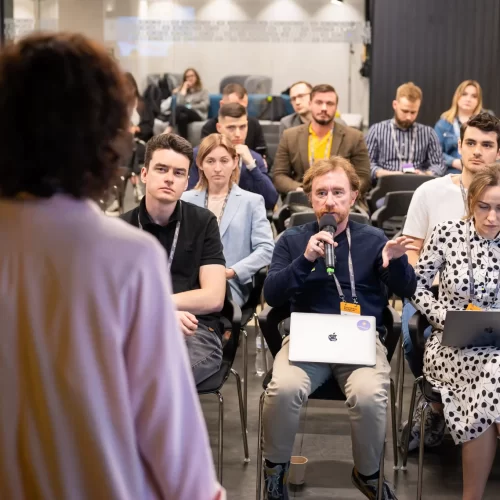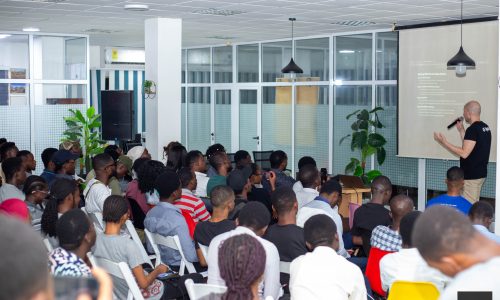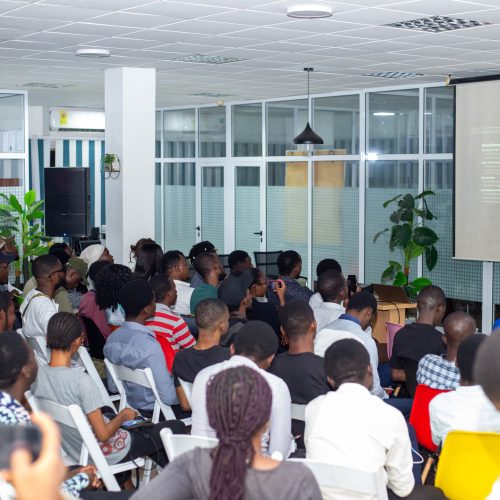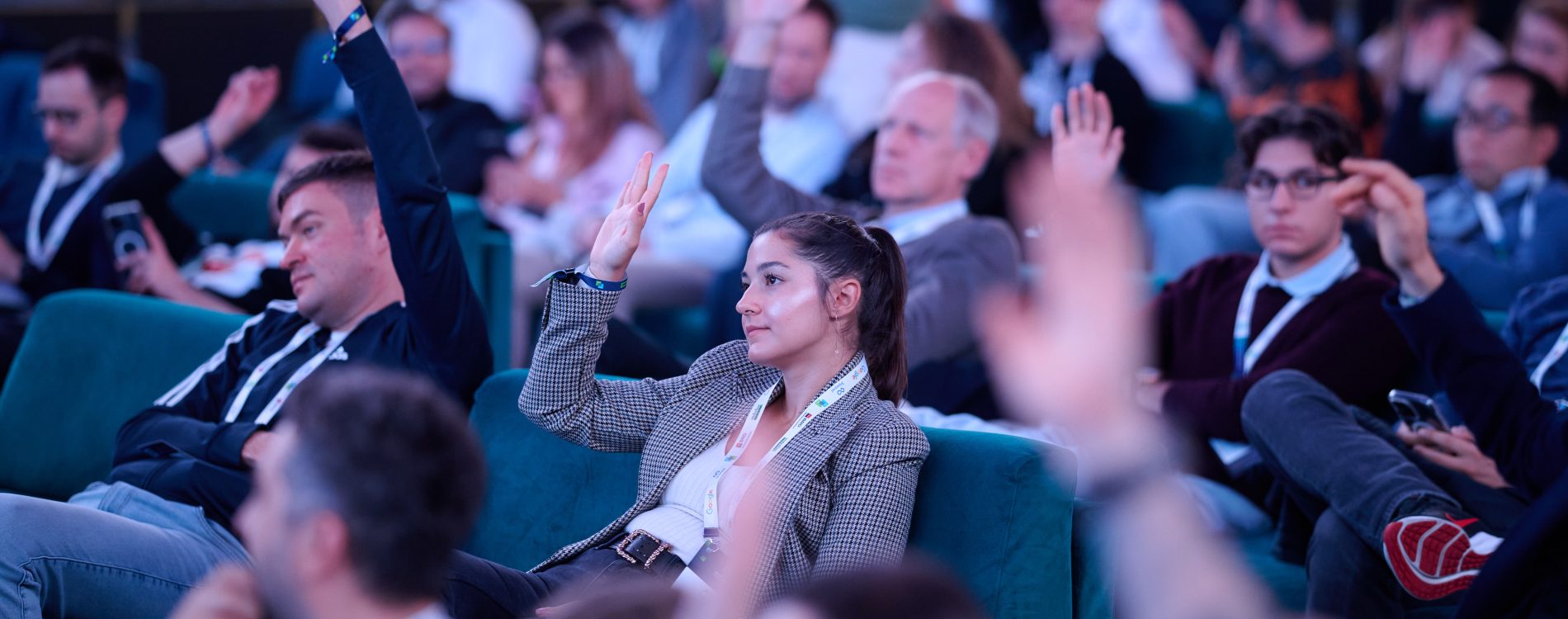

This year, How to Web Conference brought together a community of over 3,000 visionaries, from founders and investors to global technology leaders, for two days. The event was the most important meeting point for the tech ecosystem in Eastern Europe, where capital, innovation, and expertise came together.
Over 150 international speakers from top companies such as OpenAI, Amazon, Google, IBM, Booking.com, Alibaba Cloud, and Canva, as well as investment funds exclusively present in Eastern Europe, such as Northzone, Creandum, Seedcamp, and 20VC, took to the four dedicated stages: Build & Grow Stage, Focus Stage, Startup Stage, and Broadcast Room.
Alice Guo, Lead for Early Stage Startups EMEA at the world’s largest AI company, OpenAI, opened the discussions in the panel “AI That Works,” where, alongside other international experts, she highlighted how artificial intelligence is rewriting business models and becoming the engine of a new era of innovation.
Other top speakers at the conference included Martin Eriksson (Founder, ProductTank; Co-founder, Mind the Product), Zoltan Vardy (B2B Sales & Growth Mentor, The Launch Code), Steen Rasmussen (Director of Data Innovation, IIH Nordic), Arne Kittler (Co-founder, Product at Heart), Tejas Kumar (Developer Advocate, IBM), Staffan Helgesson (General Partner, Creandum, investor in companies such as Spotify, Bolt, and Kahoot), Kate Ivanova and Andrew Mende (Booking.com), as well as Alexandre Dewez (Partner, 20VC).
“The way the How to Web conference has developed over the years has gone beyond the role of a simple event. We all contribute—organizers, participants, partners—to a phenomenon that keeps this region alive and brings together all the representatives capable of building a more optimistic future through technology. This year, this role has been further strengthened by the presence of regional startup delegations, the launch of reports during the conference, events dedicated to academia, politics, and journalism, and leading global technologu companies, which were present both on stage and in the audience.” says Monica Zara, Head of Conference How to Web.
Two days of ideas, collaborations, and impact
With over 2,000 meetings facilitated and over 200 international investors in attendance, How to Web has become a hub for connecting Eastern European startup founders with global capital. The presence of investors who have contributed to the growth of companies such as UiPath, Revolut, Spotify, Bolt, and ElevenLabs underscores the global recognition of the region’s potential.

The more than 550 early-stage startups attending the conference had access to a series of programs and formats designed to provide them with opportunities for growth and connection with potential investors, such as the Spotlight competition program, mentoring sessions and boot camps dedicated to fundraising and sales, and the Dealflow matchmaking platform, transforming the conference into a launch pad for the next generation of successful startups in the region.
This year, the winning startup is represented by a team from Slovenia. LynxCraft, an algorithmic construction platform that automates design and supply chain for housing construction. The prizes awarded to the Spotlight winner included a €180,000 investment from GapMinder Ventures and V7 Capital, €25,000 in credits on the Infobip platform, €100,000 in cloud credits from OVHCloud, and a visitor pass to the European Startup Embassy in San Francisco, valued at €15,000.
The conference agenda covered hot topics such as large-scale AI integration, product-led growth, fundraising strategies, team resilience, and opportunities for scaling up in global markets.
In addition to the on-stage sessions, the How to Web 2025 conference featured a series of strategically important satellite events that extended the participants’ experience beyond the main program. These included Venture in Eastern Europe 2025, a meeting dedicated to investors interested in market opportunities in Eastern Europe, which brought together over 200 participants, as well as the Founders Networking Event, an event for founders and leaders in the tech ecosystem, designed to stimulate dialogue and collaboration between the players shaping the future of innovation in the region.
Also during the conference, How to Web hosted a series of in-conference events designed to generate conversations relevant to the evolution of the business and technology industry. These included Bytes & Bills, focused on public policy and the development of a legislative framework favorable to entrepreneurs, and Leap of Tech, which explored the region’s transformation from an outsourcing hub to a center for the development of technological products. The Defence & Dual Use in Eastern Europe session also opened an important dialogue on dual-use technologies and the strategic role of Eastern Europe in the global context of innovation.
This year’s edition also brought together delegations of startups from the Republic of Moldova, Serbia, and Slovenia, thus strengthening the regional dimension of the conference. The participation of these emerging ecosystems reinforced the role of the How to Web conference as a meeting point for innovation in Eastern Europe, offering founders the opportunity to present their projects, meet investors, and explore new avenues for regional collaboration.
The conference also saw the launch of the report “The State of Romanian-born Early Stage Startups,” which provides an up-to-date snapshot of the local market and highlights the opportunities and challenges for Romanian founders in the European context.
How to Web Conference 2025 is organized in partnership with BRD – Groupe Société Générale, Underline Ventures, Google Romania, Showpad, and with the support of Infobip, Stripe, PPC, PricewaterhouseCoopers Romania, Bitdefender, Credo Ventures, Inovo, BEK Ventures, PortfoLion, SouthCentral Ventures, TechAngels, EBRD VC, Siena Secondary Fund, Cytowski & Partners, BrightCap Ventures, Lead Ventures, Endeavor Romania, 3VC, EmpoWomen, OVHCloud, and Elevator Ventures.